
Insights & Guides
The CYBOT Blog
Practical thinking on AI chatbots, lead conversion, privacy, and building websites that actually work for your business — not just about it.

What Is an AI Website Assistant? (And Why Most Get It Wrong on Privacy)
Most AI chatbots collect visitor data without consent. Learn what a privacy-first AI website assistant does differently — and why it matters for your business.
The Questions Shoppers Ask Before They Buy — and Why the Unanswered Ones Cost You Sales
Shoppers rarely abandon carts for no reason. Often they had one practical question before buying, and your store made them wait, search, or guess.
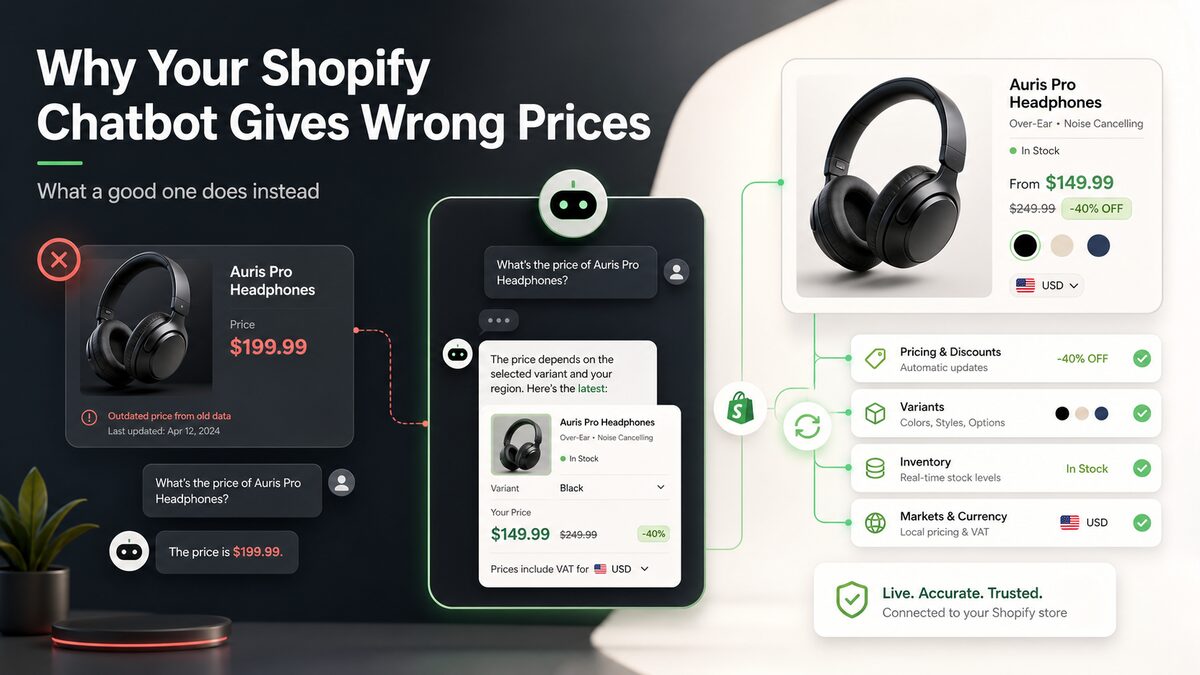
Why Your Shopify Chatbot Gives Wrong Prices — and What a Good One Does Instead
Most Shopify chatbots quote stale prices and stock because they memorise your catalog. Here's the principle a good one uses instead — and what to check before you connect a store.

Why Hospitality Businesses Are Losing Bookings to Faster-Responding Competitors
Hospitality guests often choose the property that answers first. For hotels, B&Bs, and short-let operators, fast responses to practical booking questions are now a conversion advantage.
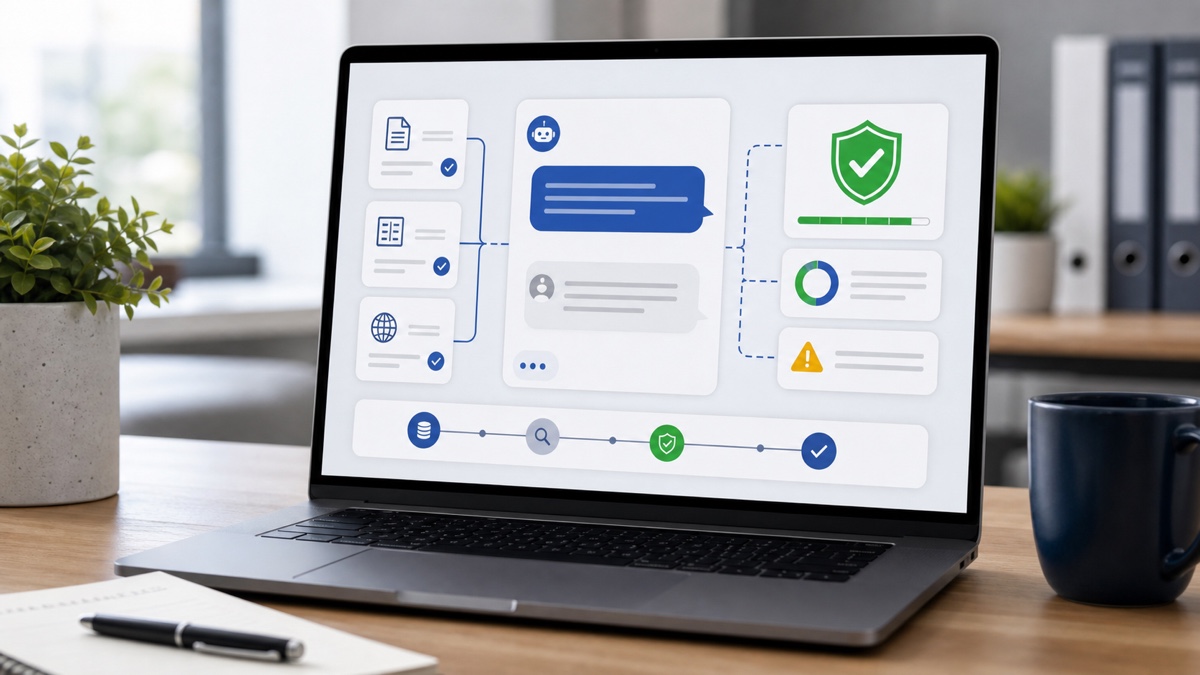
How a Good AI Chatbot Should Validate Its Own Answers (And Most Don't)
Most chatbots give answers with no self-check. Here's the principle behind answer validation — confidence scoring, source grounding, fallback routing — and why most tools skip it entirely.

How AI Chatbots Are Being Used in European Healthcare Clinics Right Now
European clinics are using AI chatbots for administrative questions, appointment guidance, multilingual support, and clean handoffs to staff. The useful cases are practical, bounded, and non-clinical.
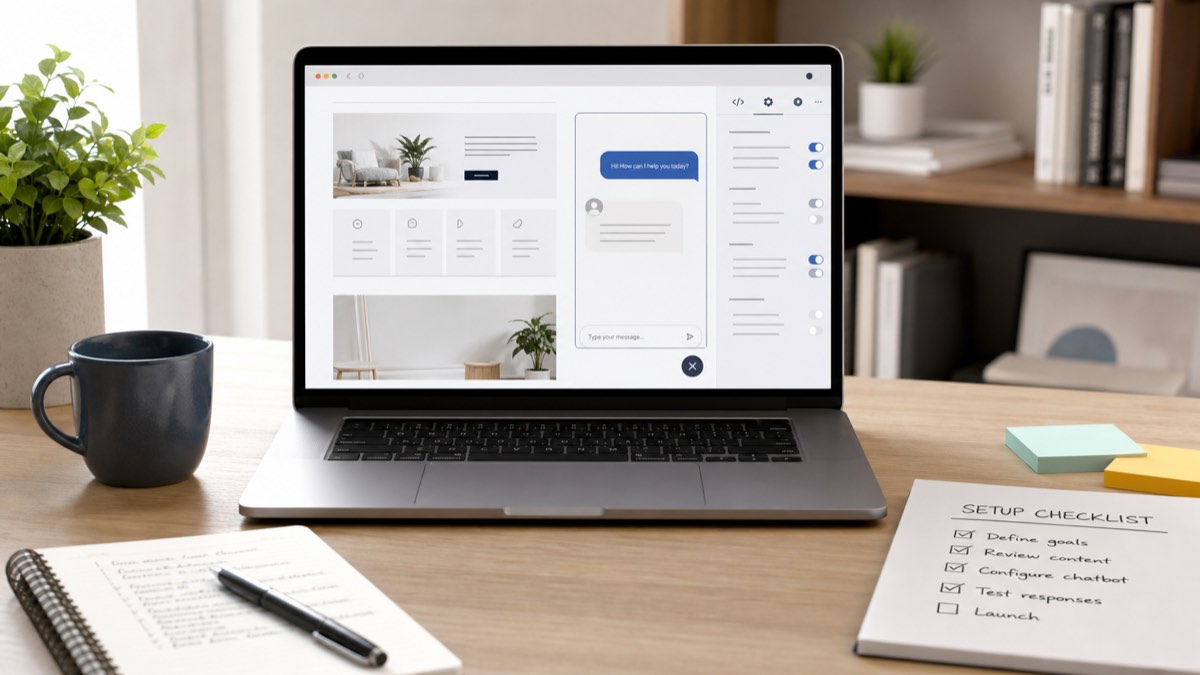
What Does Setting Up an AI Chatbot on Your Website Actually Involve?
Adding an AI chatbot to your website is less technical than most business owners expect. The real work is content clarity, scope, testing, and knowing what should happen on day one.

Signs Your AI Chatbot Is Giving Wrong Answers (And What to Do About It)
Most chatbot errors happen silently. No error message, no warning — just a confident wrong answer going out to your visitor. Here's how to spot them and fix them.

Privacy-First AI Is Not a Feature. It Is the New Baseline.
GDPR, India's DPDP Act, and growing user distrust of AI tools are reshaping what responsible deployment looks like. What 'consent-driven' actually means — versus what most tools do.

Multilingual Support Is Not a Nice-to-Have for SMBs Anymore
If your website is English-only, you're invisible to a large share of your potential visitors. For healthcare, hospitality, education, and service businesses, this isn't a localisation project — it's a missed market.

What Makes an AI Chatbot Actually Useful on a Business Website (And What Makes It Annoying)
Not all chatbots are the same. Here's a practical framework for evaluating whether a chatbot will help your visitors — or frustrate them into leaving.

How to Make Your Website Work While You Are Asleep (Without Hiring Anyone)
A practical guide for SMB owners on automating pre-sales conversations, lead capture, and routing — written for a non-technical audience.

The Hidden Cost of 'We'll Get Back to You' for Small Business Websites
A 12-hour email response window isn't a minor inconvenience. For service businesses, it's a direct path to losing qualified leads to whoever responds first.

Your FAQ Page Is a Dead End. Here's What Works Instead.
FAQ pages get traffic but convert almost none of it. The problem isn't the answers — it's the format. Static lists can't follow up, adapt, or respond to how visitors actually think.

Why Your Website Answers Questions After the Visitor Has Already Left
Visitors arrive with intent. They read, don't find their answer fast enough, and leave. The contact form is not a solution — it's a delay. This is what a conversation-first website looks like.